Chinese scientists develop oil refining process that could slash energy use
Chinese scientists have developed a new oil refining method they say could slash energy use by as much as 90 percent — a breakthrough that could significantly reduce the cost and environmental footprint of turning crude oil into fuels and other products.
The new technique targets crude oil at the molecular level, allowing researchers to separate and process its components more precisely than with conventional refining methods.
That could mean using substantially less energy while recovering more valuable products from each barrel of crude, including petrol and raw materials used in plastics and other petrochemical products.
Oil refining is traditionally an energy-intensive process. Crude oil contains thousands of different hydrocarbons that must be separated and converted through several stages before they can become usable fuels, chemicals and industrial materials.
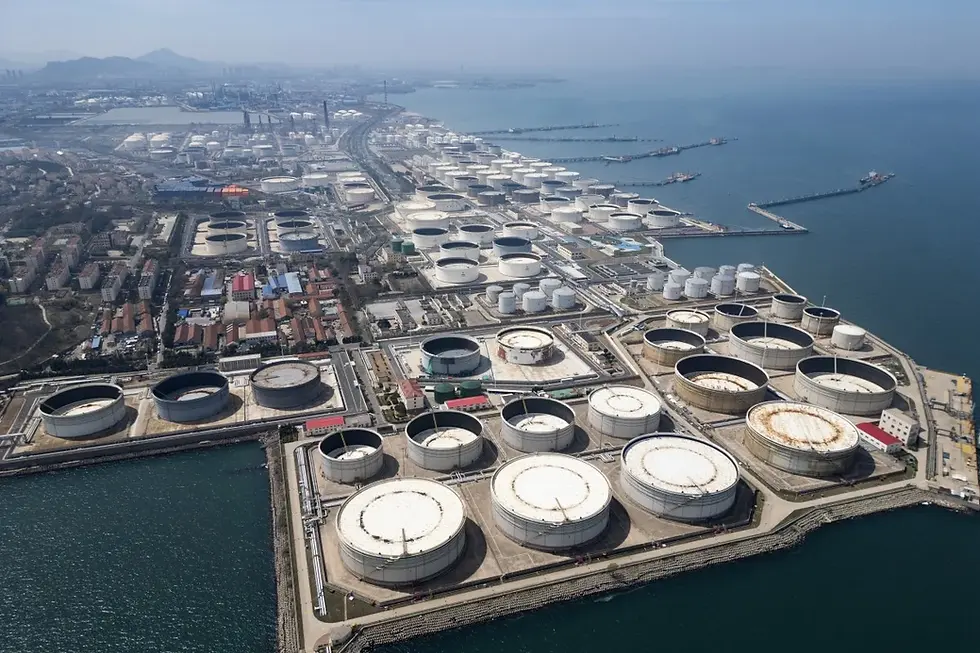
Those processes typically require large amounts of heat and energy, contributing to both operating costs and emissions from refineries.
Researchers believe the new approach could dramatically reduce those energy requirements while giving refiners greater control over the products they produce.
The potential benefits could extend beyond cheaper fuel production. More efficient refining could help petroleum producers extract greater value from crude oil while reducing the amount of energy required throughout the process.
However, the technology remains at the research stage and would need to demonstrate that it can operate reliably and economically at the enormous scale required by commercial refineries.
If that hurdle is cleared, the technology could mark a significant shift for the refining industry — allowing more value to be extracted from crude oil with a fraction of the energy currently required.


Comments